We so often show Nepal through its mountains.
Through snow-covered summits catching the first light.
Through valleys so deep they make villages look like handfuls of stones scattered across the earth.
Through prayer flags, trails and landscapes that seem almost impossibly beautiful.
But Nepal has never only been its mountains.
Look a little closer and there are lives everywhere.
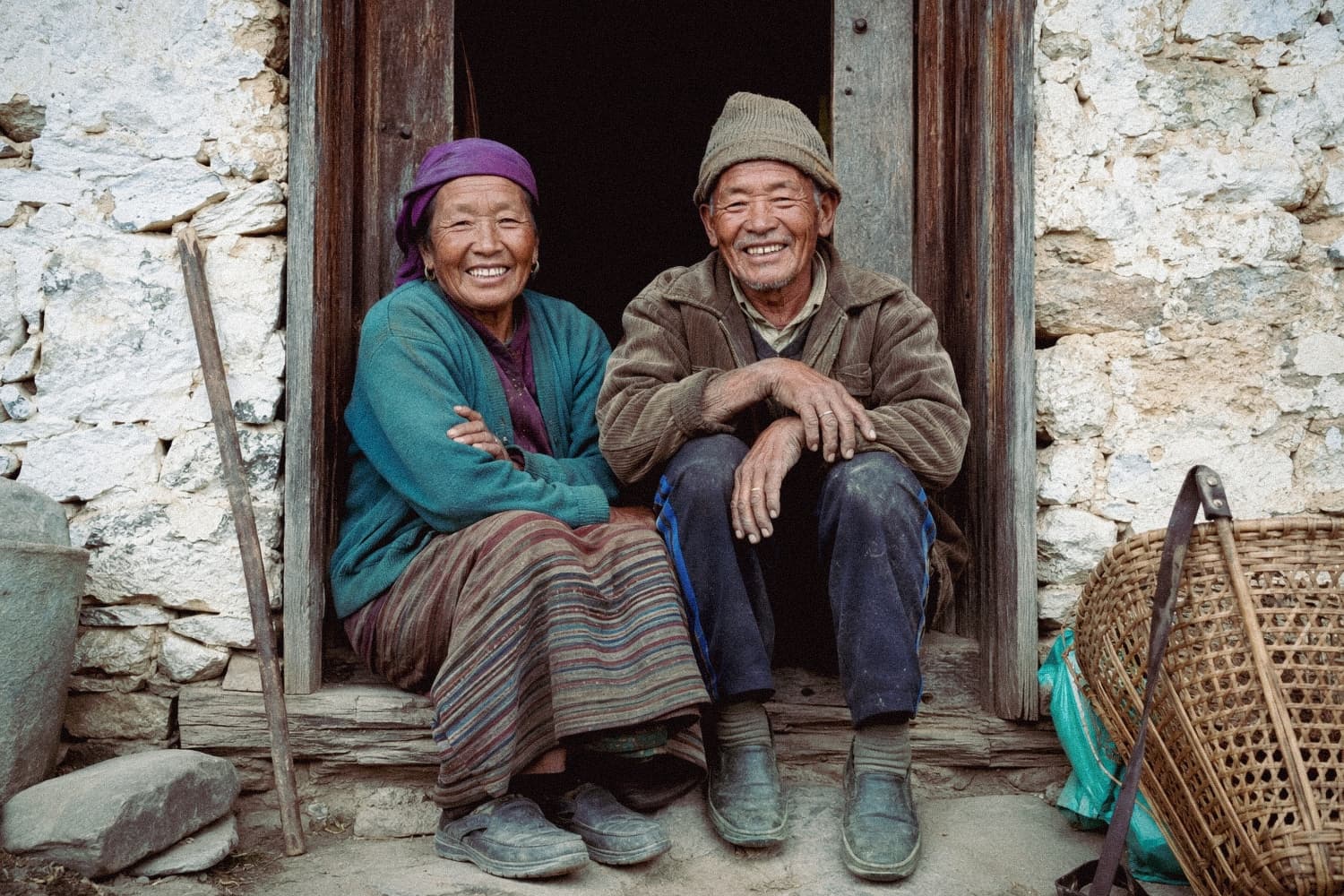
A couple sitting in the doorway of the home they built a life inside.
A mother carrying her child.
Hands turning the earth that will feed a family.
Rice being washed for a meal.
Children appearing in a doorway to see who has arrived.
Families sitting on the floor and eating together.
The ordinary things that rarely make the postcards.
And yet, to me, they are Nepal.
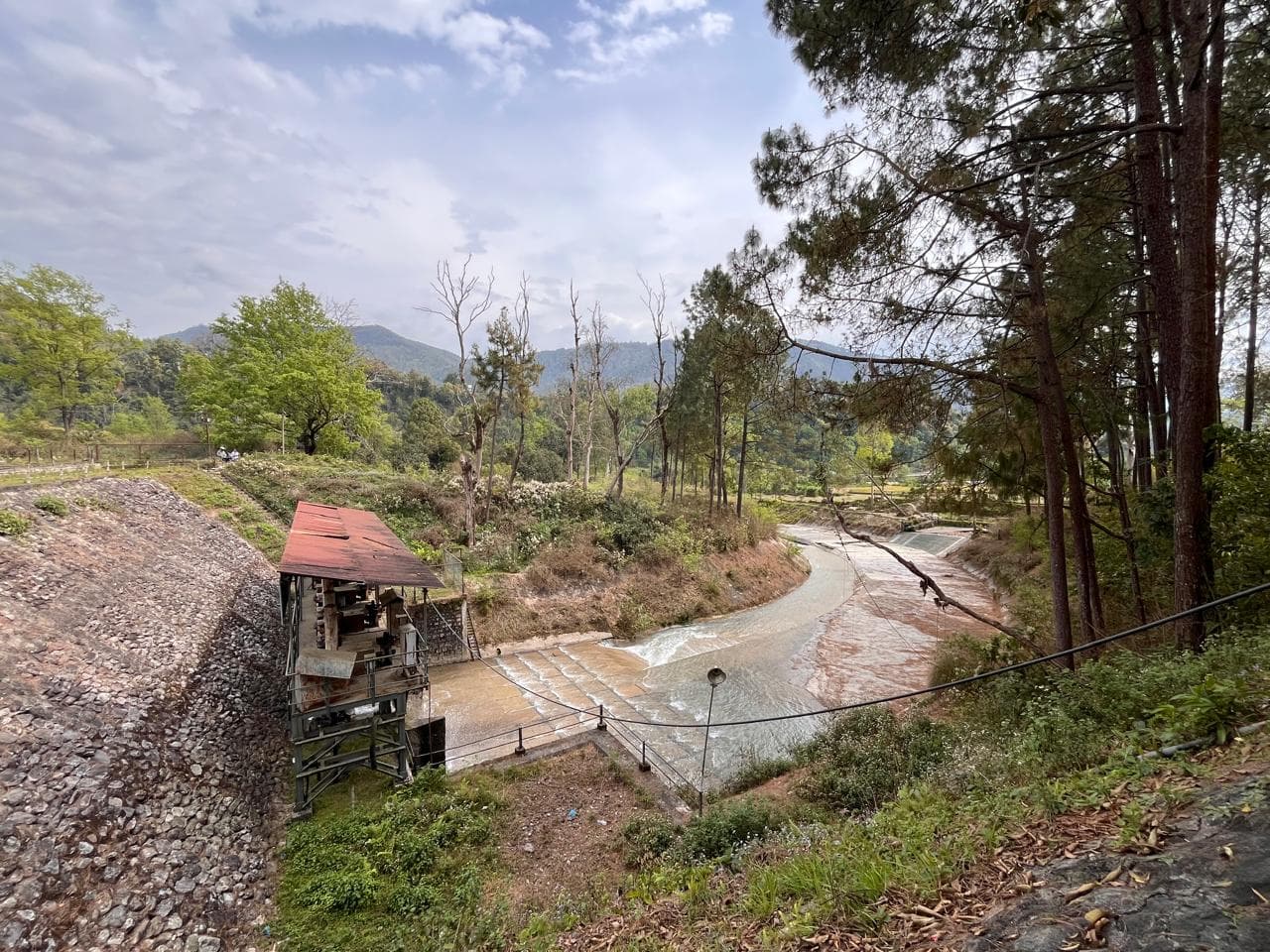
These photographs were not taken during the floods, and most were not taken in the communities directly affected.
They are simply pieces of the Nepal I have been fortunate enough to know.
And looking at them now feels different.
Because when we hear words like flood, landslide, glacier, missing, destroyed — it is easy for something so enormous to become numbers on a screen.
But behind every number is somebody's entire ordinary life.
A bed that was slept in the night before.
Clothes hanging behind a door.
A cooking pot still sitting in a kitchen.
A field someone planted by hand.
A photograph on a wall.
A cup of tea that was supposed to be poured that morning.
A person who was expected home.
For a country that has given me more than I could ever adequately put into words, it breaks my heart to be so far away from it right now.
There is a part of me that desperately wishes I were there.
Not because I think I could fix something this enormous.
I just wish I could carry something.
Do one small useful thing rather than watch a place I love hurting through a screen.
But this is not my tragedy.
It belongs to the families waiting for news.
To those who have lost someone.
To those looking at a piece of land where their home once stood.
To the people who will still be rebuilding when the rest of us have moved on to another headline.
We talk about the resilience of Nepali people so often.
And they are resilient.
But I think sometimes we use that word because it makes suffering easier for the rest of us to look at.
Resilient people still hurt.
Strong communities still need help.
And people should not have to be extraordinary simply to survive extraordinary loss.
For everything Nepal has given me — friendship, belonging, generosity, mountains, laughter, meals around tables and cups of tea handed to me by people who had no reason to be so kind — I wish more than anything that I could give something back right now.
So I don't have anything profound to say.
I simply don't want to look away.
These are not photographs of a disaster.
They are photographs of ordinary days.
Sitting outside their homes.
Because behind every photograph coming out of Nepal right now, behind every statistic and every headline, there is another photograph like one of these.
A whole life that existed before the world knew its name.
If you can help, please help through verified organisations and local relief efforts.
If you can share useful information, share it.
And if all you can do is keep Nepal in people's minds a little longer, please do that too.
Because eventually the headlines will move on.
The photographs will disappear from our feeds.
And somewhere in Nepal, someone will still be rebuilding the place they called home.
Photographer Jessica Amity grew up in Kathmandu and has spent much of her life living, working and travelling across Nepal. These photographs are from the Trisuli Valley before the 26 August catastrophe.