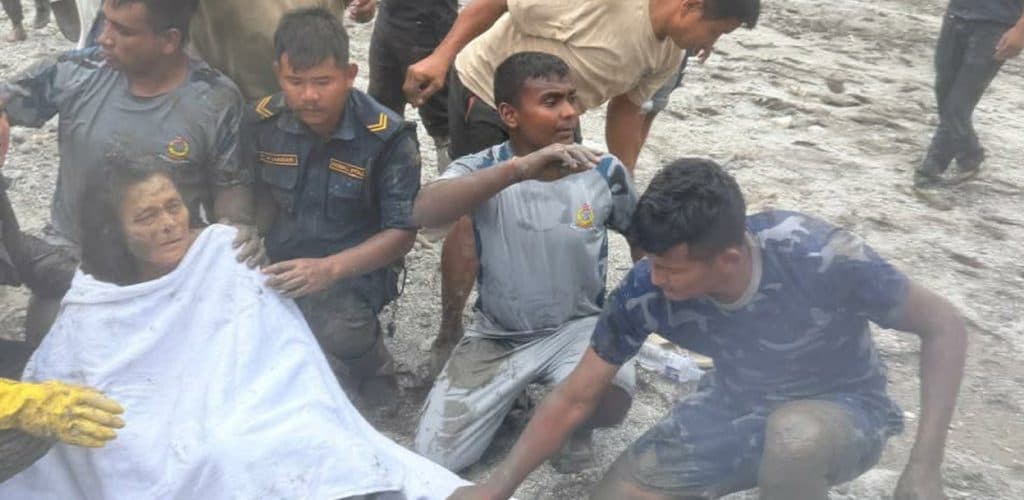
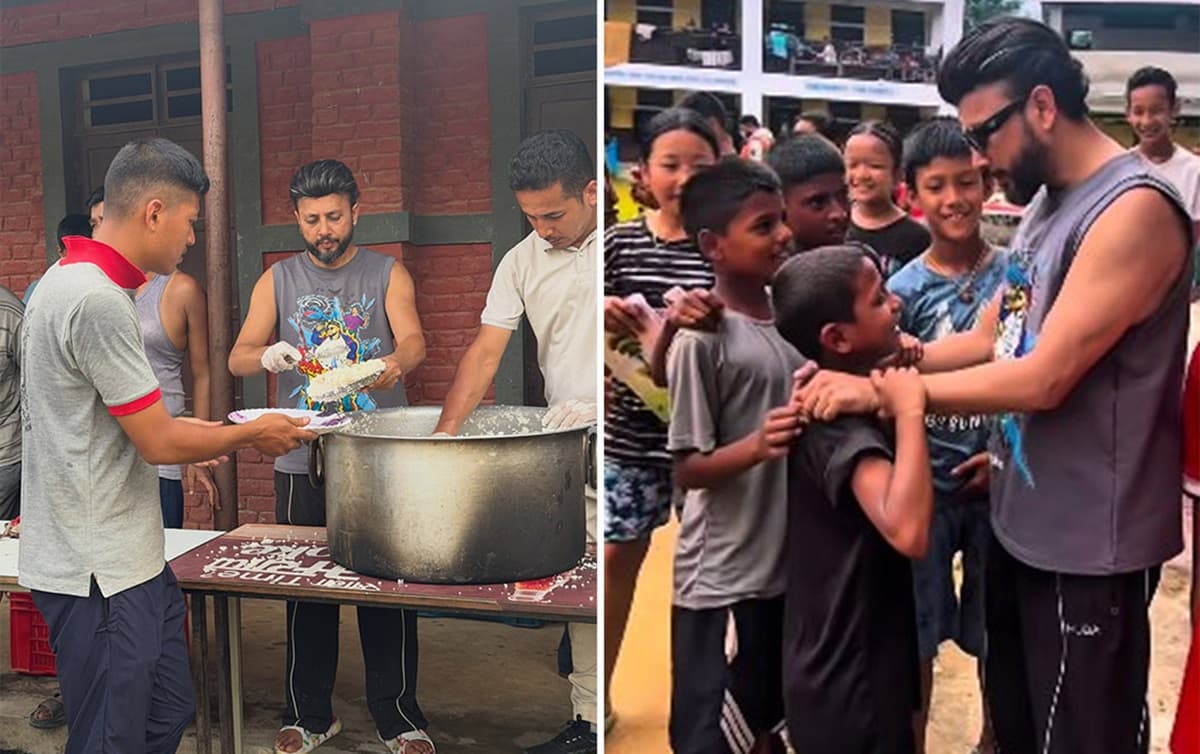
Singer and model Durgesh Thapa spent a few days in the flood affected area. He reached the affected settlements with relief materials and did not return there just to distribute the materials, but stayed with the locals. Cooked food, ate with them and listened to their sorrows. Boost morale. Vidura and Trishu of Nuwakot
This story was originally published by Setopati. The source link is included below for direct review and additional context.
This development carries broader significance for local communities, public services, and policy implementation across Nepal.
Key stakeholders, including institutional authorities and subject matter experts, emphasize that effective follow-through and transparency will be critical going forward.
Analysts note that sustained coordination among responsible bodies will determine the practical impact and long-term outcomes of these measures.
Community representatives have also stressed the importance of accessible public information, accountability, and timely delivery of services.
Looking at past trends and operational data, timely periodic reviews and structured oversight remain essential for tangible success.
The multidimensional impact of this matter on regional economic activity, social well-being, and institutional efficiency is being closely monitored by observers.
Concerned administrative departments and local stakeholders are expected to release updated procedural guidelines and timelines in the coming days.
Civil society groups, private sector participants, and regional representatives have underscored the value of continuous stakeholder consultation.
Achieving targeted developmental milestones will require balanced resource allocation, robust monitoring mechanisms, and clear inter-agency alignment.
As more verified details and official updates emerge, the wider economic and social implications of the situation will become clearer.