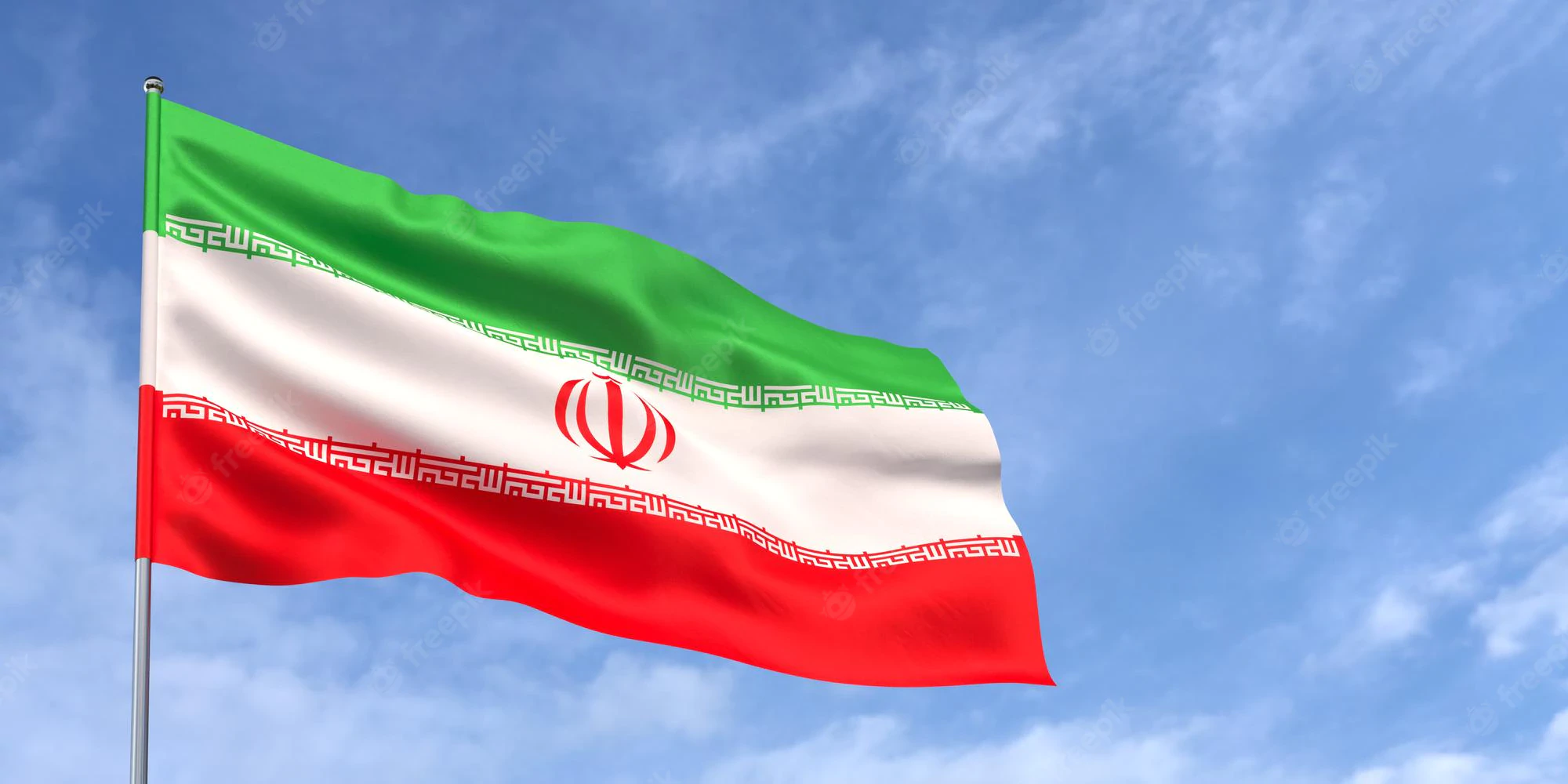
Kathmandu. The United States, Britain, France and Germany have prepared to submit such a proposal to the United Nations nuclear watchdog IEA's Board of Governors, in which they have prepared to refer Iran's failure to comply with its legal obligations regarding nuclear non-proliferation to the United Nations Security Council.
Recently, international pressure on Iran's nuclear program seems to be increasing.
Iran's nuclear program is very serious because in 2025, the IAEA board found Iran to be in non-compliance with its nuclear non-proliferation obligations for the first time in nearly 20 years.
The proposal is currently in the negotiation stage and has not been formally submitted to the IAEA Board. In it, IAEA Director General Rafael Grossi is asked to convey the proposal and previously passed resolutions to the United Nations Security Council and the General Assembly together with all members of the IAEA. The proposal also supports finding a diplomatic solution to the challenges arising from Iran's nuclear program.
All parties are urged to participate constructively in the negotiations. A change in the proposal is also possible. After the formal presentation, it will be voted on at the IAEA board meeting in Vienna next week.
Under the Nuclear Non-Proliferation Treaty, Iran has a legal responsibility to report all of its nuclear materials and activities and to allow IAEA inspectors to check to ensure that nuclear materials are not being used for anything other than peaceful purposes.
Since the US and Israel attacked Iran's nuclear sites in 2025, Iran has not allowed IAEA inspectors access to affected nuclear sites. The agency has also not been able to verify the status of its uranium stockpile, which has been approaching weapons-grade capacity for more than six months. The IAEA has recently warned that denying access to inspectors and not verifying nuclear material creates a proliferation risk that requires immediate attention.
According to the IAEA, Iran has a stockpile of 440.9 kilograms of uranium, which has been enriched to 60 percent purity. Uranium with about 90% purity is usually required to make nuclear weapons. That is, Iran's current reserves are technically not far from that level.
IAEA chief Rafael Grossi said last year, “If Iran decides to move its weapons program toward weapons, this amount could theoretically enable it to build 10 nuclear bombs.
"This does not mean that Iran has nuclear weapons," he said.